.jpg)
Why Commercial Truck Crashes Are Different
What separates a crash involving a loaded combination vehicle from a car-to-car collision, read out of federal safety regulations and commercial driver training material.
Independent reporting and research on commercial trucks, freight, highways and road safety.
Explainers and reference work, each one listing the sources it was built from. Explore the vehicles, the roads they use, and the systems that keep freight moving.
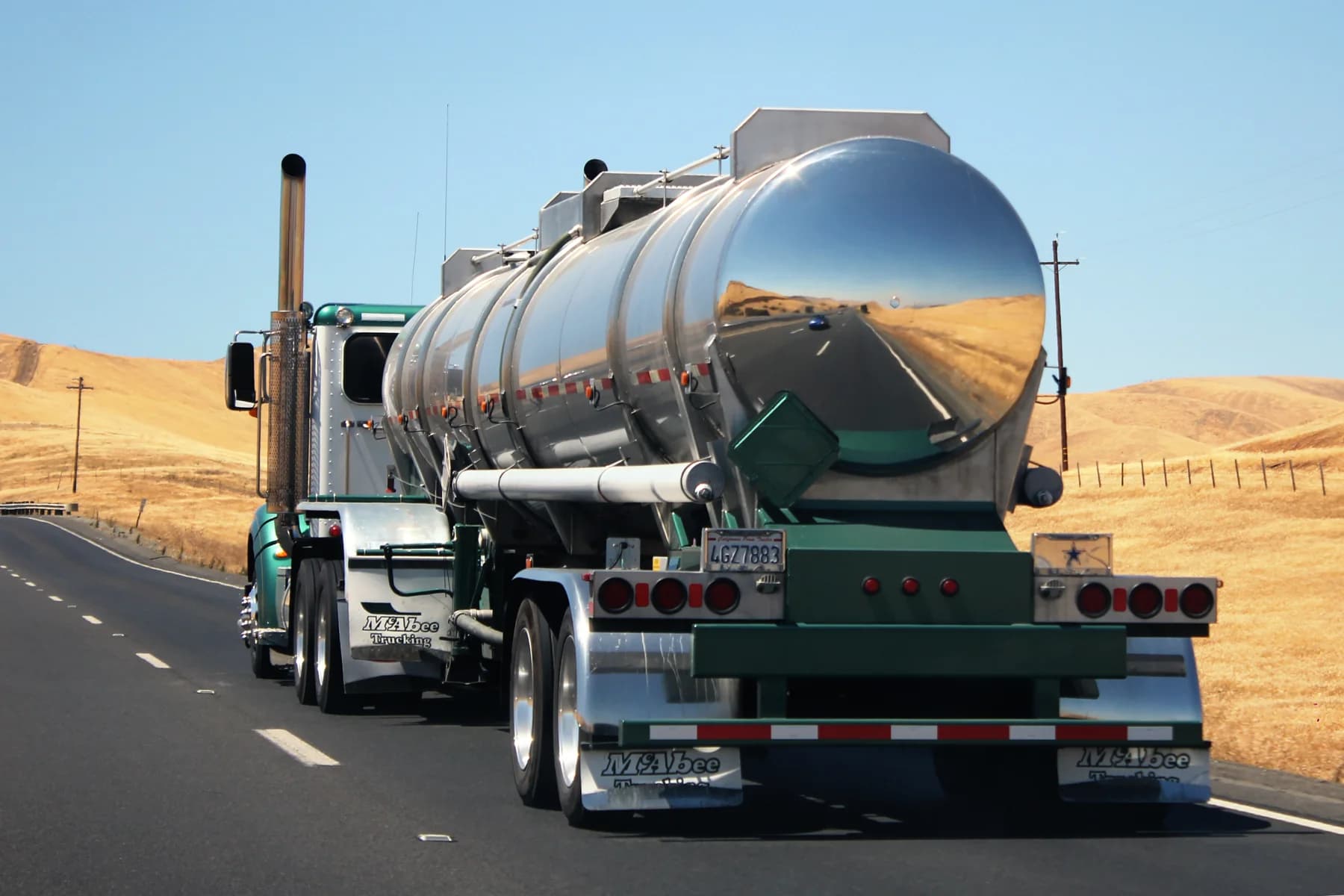
Stopping distance for an air-braked truck has four parts, not one, and weight does not affect it the way most people assume. What the CDL training figures say, and what they do not.
Longer pieces, each assembled from its primary sources.
What separates a crash involving a loaded combination vehicle from a car-to-car collision, read out of federal safety regulations and commercial driver training material.
What the machines are, and what the words mean.
How air-braked commercial vehicles use compressors, tanks, foundation brakes and spring brakes. Other commercial vehicles may use hydraulic systems.
Why a crash involving a heavy truck is a different problem.
Federal law regulates fatigue in two separate ways — hours-of-service limits and a standalone prohibition on driving while impaired by fatigue. What each says, what the exceptions are, and what the records show.
The network underneath the traffic.
The Interstate system is the designated core of a national freight network, the road where federal truck weight limits bite hardest, and a place that sets its own demands on how a heavy vehicle is driven.
A standing beat, not a regional footnote.
Why I-35 through Central Texas matters to freight, what TxDOT's own Mobility35 material says about the corridor, and why a corridor's importance is not the same thing as a measured truck count.
The truck as a machine, and as a place.
The practical constraints of using a truck body as a mobile space, from vehicle layout and cargo securement to weight, balance and height.